Expert Articles
Phishing: Don't Take the Bait
 By using email spam or pop-up messages, “phishers” work hard to trick consumers into disclosing credit card numbers, account information, Social Security numbers, and other details important to be kept private. Posing as an important communication from a financial institution, government agency, or Internet service provider, the message will typically say that your account or information needs updating or validation. Take the bait and phishers will have what they need to use your credit cards, open new accounts, or even commit crimes in your name. To avoid getting scammed:
- Know that legitimate companies will not ask you for confidential information via email or pop-up messages.
- Do not reply or click on the links in email or pop-up message that ask for personal or financial information.
- Install high quality anti-virus software.
- Avoid filling out forms included in email or pop-up messages.
- Give personal and financial information only when you've initiated the contact.
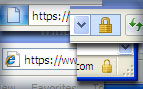 Make sure there is a lock icon on the browser's status bar and the URL reads "https," not "http," before providing confidential information online.
Lottery Scams
Don’t fall for one of those "lottery" scams that try to make you believe you’ve won lots of money, and even send you a big check. They’ll instruct you to cash their (bad) check and wire a portion of your "winnings" back to the sender or company that declared you a winner. You lose.
Internet Scams
If you are selling a car or a large item on the Internet, and the buyer sends you a check for more than the selling price, stop! This may be a scam, particularly if you are supposed to wire the difference back to the purchaser. Legitimate buyers will send you the correct amount and will not request that you wire the difference back to them.
More Tips and Information
For additional finance tips, please call the main number at your credit union.
Click here to see more Expert Articles.